

What is the installation torque for nickel flanges?
Dec 30, 2025
Hey there! As a nickel flange supplier, I often get asked about the installation torque for nickel flanges. It's a crucial topic because getting the torque right can make or break the performance and safety of your piping systems. So, let's dive into it!
What's Installation Torque and Why Does It Matter?
First off, installation torque is the amount of force you need to apply when tightening the bolts on a flange. It's measured in units like foot - pounds (ft - lb) or Newton - meters (N·m). You might be wondering, "Why does it matter so much?" Well, if the torque is too low, the flange connection might leak. This can lead to all sorts of problems, from minor product loss to major safety hazards, especially if you're dealing with hazardous materials. On the other hand, if the torque is too high, you could damage the flange, the bolts, or both. This can weaken the connection over time and also cause premature failure.
Factors Affecting Installation Torque for Nickel Flanges
There are several factors that can influence the installation torque for nickel flanges. Let's take a look at some of the most important ones:
Flange Size and Type
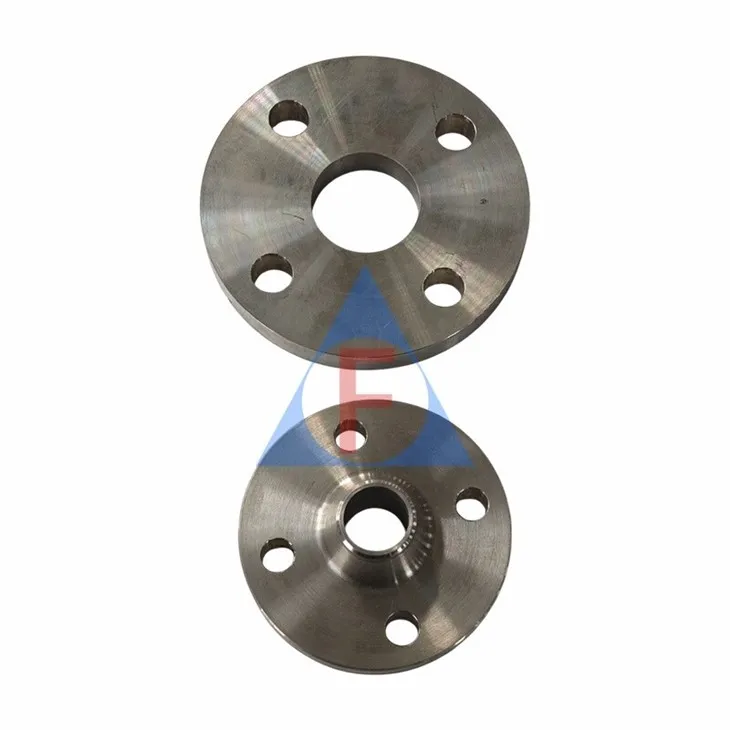
The size and type of the nickel flange play a big role. Larger flanges generally require more torque because there's more surface area to seal. For example, a Nickel Weld Neck Flange might have different torque requirements compared to a Nickel Threaded Flange. Weld neck flanges are designed for high - pressure applications and usually need a more precise and higher torque to ensure a proper seal.
Bolt Size and Material
The size and material of the bolts used with the nickel flange are also crucial. Larger bolts can withstand more torque, but they also require more force to tighten. The material of the bolts matters too. Different materials have different strength properties, which means they'll have different torque requirements. For instance, stainless - steel bolts might need a different torque than carbon - steel bolts.
Gasket Material
The gasket is what seals the connection between two flanges. Different gasket materials have different compression characteristics. Soft gaskets, like rubber or PTFE, might require less torque to compress and create a seal compared to harder gaskets, like metal - jacketed gaskets. If you use a Nickel Blind Flange, the gasket material and the corresponding torque are still important to prevent any leakage around the edges.
Operating Conditions
The conditions under which the flange will operate can affect the installation torque. If the system will be exposed to high temperatures or pressures, you might need to increase the torque to ensure a reliable seal. For example, in a steam system, the high temperature can cause the materials to expand and contract, so a higher initial torque can help maintain the seal over time.

How to Determine the Right Installation Torque
So, how do you figure out the right installation torque for your nickel flanges? Well, there are a few ways:
Manufacturer's Recommendations
The first and most reliable source of information is the manufacturer's recommendations. We, as a nickel flange supplier, provide detailed torque charts for our products. These charts take into account all the factors we mentioned earlier, like flange size, bolt size, and gasket material. Make sure to follow these recommendations carefully to ensure a proper installation.
Industry Standards
There are also industry standards that can guide you. Standards like ASME B16.5 provide general guidelines for flange installation, including torque values. However, these are just general guidelines, and it's always best to refer to the manufacturer's specific recommendations.
Torque Calculation
In some cases, you might need to calculate the torque yourself. There are formulas available that take into account the bolt size, the coefficient of friction, and the desired pre - load on the bolts. But this can be a bit complicated, and it's usually best to consult with an engineer or an expert if you're not familiar with these calculations.
Tips for Proper Torque Application
Once you've determined the right installation torque, it's important to apply it correctly. Here are some tips:
Use the Right Tools
Make sure you use the right tools for the job. A torque wrench is essential for applying the correct amount of torque. There are different types of torque wrenches, like click - type and beam - type. Choose the one that's most suitable for your application.
Tighten in a Pattern
When tightening the bolts, follow a specific pattern. This helps to ensure that the flange is evenly compressed and that the gasket seals properly. A common pattern is to start with one bolt and then tighten the bolt opposite it, and then work your way around the flange in a criss - cross pattern.
Re - check the Torque
After the initial installation, it's a good idea to re - check the torque after a short period of time. This is because the gasket might compress further over time, and the bolts might loosen slightly. Re - tightening the bolts can help to maintain the proper seal.
Conclusion
In conclusion, the installation torque for nickel flanges is a critical aspect of ensuring a reliable and safe piping system. By considering the factors that affect torque, following the manufacturer's recommendations, and using the right techniques for torque application, you can ensure a proper installation.
If you're in the market for nickel flanges or have any questions about installation torque, don't hesitate to reach out. We're here to help you find the right products and ensure a successful installation. Whether you need a Nickel Threaded Flange, a Nickel Blind Flange, or a Nickel Weld Neck Flange, we've got you covered. Contact us today to start the procurement process and get the best solutions for your needs.
References
- ASME B16.5 - Pipe Flanges and Flanged Fittings
- Manufacturer's product manuals for nickel flanges