

What are the installation guidelines for weldolets?
Jan 08, 2026
What are the installation guidelines for weldolets?
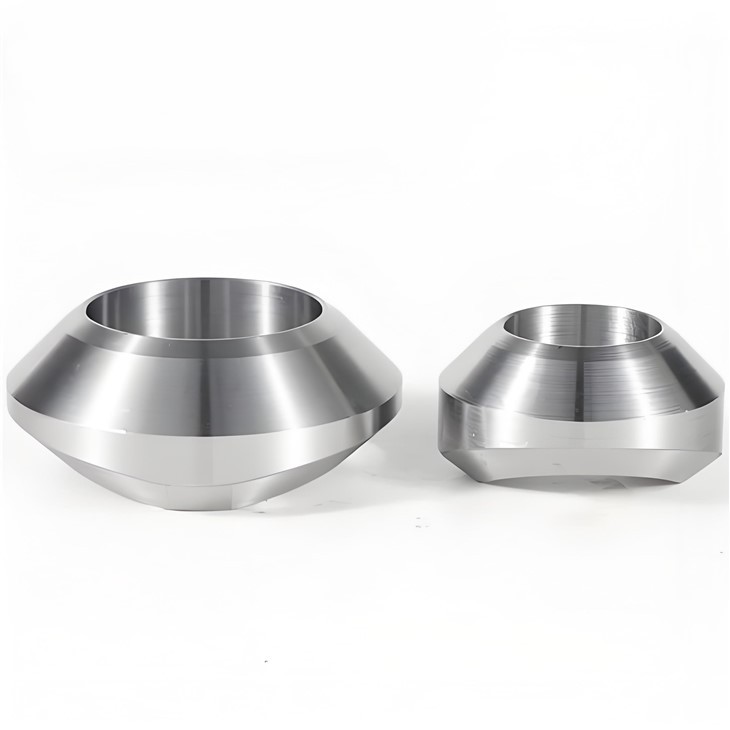
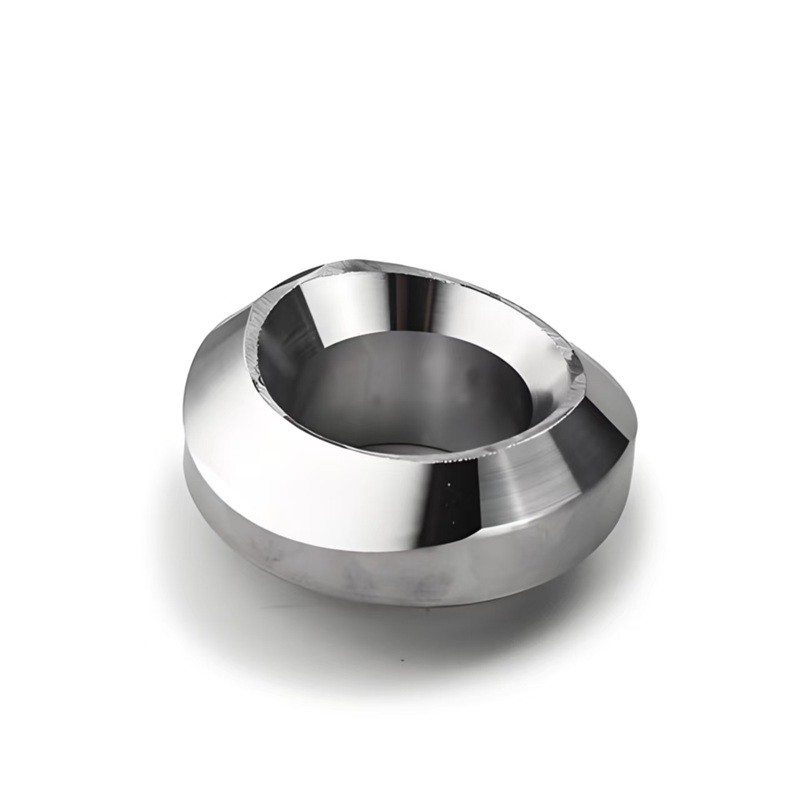
As a weldolet supplier, I understand the importance of providing clear and comprehensive installation guidelines for our customers. Weldolets are essential components in piping systems, used to provide a branch connection to a larger pipe. Proper installation is crucial to ensure the integrity and safety of the entire piping system. In this blog post, I will outline the key installation guidelines for weldolets.
Pre - installation Preparation
Before starting the installation process, it is necessary to conduct a series of preparatory work. First, carefully inspect the weldolet and the main pipe. Check the weldolet for any visible defects such as cracks, porosity, or dimensional inaccuracies. The dimensions of the weldolet should match the specifications of the main pipe and the branch pipe. For example, if you are using a Titanium Weldolet MSS SP97, make sure it adheres to the standards set by MSS SP97.
Clean both the weldolet and the main pipe thoroughly to remove any dirt, grease, rust, or other contaminants. This can be done using appropriate cleaning agents and tools. A clean surface is essential for a good weld joint, as contaminants can cause welding defects.
Mark the location on the main pipe where the weldolet will be installed. Use a suitable marking tool to ensure accurate placement. The marking should take into account the alignment and orientation of the branch connection as per the design requirements of the piping system.
Alignment and Fit - up
Once the preparatory work is completed, the next step is to align the weldolet with the main pipe. Place the weldolet on the marked location on the main pipe. Ensure that the weldolet is centered and properly aligned with the intended branch direction. The gap between the weldolet and the main pipe should be uniform around the circumference.
Use clamps or other suitable fixtures to hold the weldolet in place during the welding process. This helps to prevent movement and ensures accurate alignment. Check the fit - up again to make sure that there are no significant misalignments or gaps that could affect the quality of the weld.
Welding Process
The welding process is a critical part of weldolet installation. Select the appropriate welding process and welding materials based on the material of the weldolet and the main pipe. For Titanium Weldolet, specific welding techniques and filler materials designed for titanium should be used.
Follow the welding procedure specification (WPS) approved for the weldolet installation. The WPS provides detailed instructions on welding parameters such as welding current, voltage, travel speed, and shielding gas flow rate. These parameters are carefully determined to ensure a high - quality weld joint.
Before starting the actual welding, pre - heat the weldolet and the main pipe if required. Pre - heating helps to reduce the cooling rate of the weld, which can prevent the formation of hard and brittle microstructures and reduce the risk of cracking.
Start the welding process at the bottom of the weldolet and proceed in a continuous and uniform manner around the circumference. Use proper welding techniques such as weaving or stringer beads depending on the thickness of the materials and the welding process. Ensure that the weld penetrates fully into the base metal to create a strong and reliable joint.
Post - welding Treatment
After the welding is completed, it is important to perform post - welding treatment. This may include stress relieving, which helps to reduce the residual stresses in the weld joint. Stress relieving can be achieved through heat treatment processes such as annealing or normalizing, depending on the material and the application requirements.
Inspect the weld joint for any visible defects such as cracks, porosity, or lack of fusion. Non - destructive testing methods such as ultrasonic testing, radiographic testing, or magnetic particle testing can be used to detect internal defects. If any defects are found, they should be repaired according to the approved repair procedure.
Clean the weld area to remove any welding spatter, slag, or other residues. This not only improves the appearance of the weld but also helps to prevent corrosion in the long run.
Quality Assurance
Throughout the installation process, quality assurance measures should be in place. This includes having qualified welders who are certified to perform the welding work. The welders should have the necessary skills and experience to follow the WPS accurately.
Keep records of the installation process, including the inspection results, welding parameters, and any repairs made. These records are important for traceability and for demonstrating compliance with relevant standards and regulations.
Safety Considerations
Safety is of utmost importance during weldolet installation. Welders should wear appropriate personal protective equipment (PPE) such as welding helmets, gloves, and protective clothing. Adequate ventilation should be provided in the welding area to remove welding fumes and gases, which can be harmful to health.
Ensure that the work area is free from any potential hazards such as flammable materials or live electrical equipment. Follow all safety procedures and regulations to prevent accidents and injuries.
In conclusion, proper installation of weldolets is essential for the reliable and safe operation of piping systems. By following these installation guidelines, you can ensure that the weldolet is installed correctly and that the weld joint meets the required quality standards. If you have any questions or need further assistance with weldolet installation, or if you are interested in purchasing high - quality weldolets from our company, please feel free to contact us for procurement and negotiation.
References
- ASME B31.3 Process Piping Code
- MSS SP97 Standard Practice for Factory - Made Wrought Stainless Steel and Alloy Steel Fittings for Welded Piping
- AWS D1.1 Structural Welding Code - Steel