

What is the flammability of a weldolet?
Sep 29, 2025
What is the flammability of a weldolet?
As a dedicated weldolet supplier, I've often been asked about the flammability of weldolets. This is a crucial question, especially in industries where safety and compliance are of utmost importance. In this blog post, I'll delve into the factors that determine the flammability of weldolets, the materials they're made of, and the implications for various applications.
First, let's understand what a weldolet is. A weldolet is a type of branch connection fitting used in piping systems. It is designed to provide a strong and reliable connection between a run pipe and a branch pipe. Weldolets are typically welded onto the main pipe, creating a seamless and robust joint. They come in various sizes, materials, and pressure ratings to suit different piping requirements.
The flammability of a weldolet primarily depends on the material it is made of. Common materials used for weldolets include carbon steel, stainless steel, alloy steel, and Titanium Weldolet. Each material has its own unique properties, including flammability characteristics.
Carbon steel weldolets are widely used due to their strength, durability, and relatively low cost. Carbon steel is generally considered to be non - flammable under normal operating conditions. It has a high melting point, typically around 1425 - 1540°C (2600 - 2800°F). However, in the presence of extremely high temperatures, such as in a fire, carbon steel can oxidize and lose its structural integrity. The oxidation process can lead to the formation of iron oxides, which can weaken the weldolet and potentially cause it to fail.
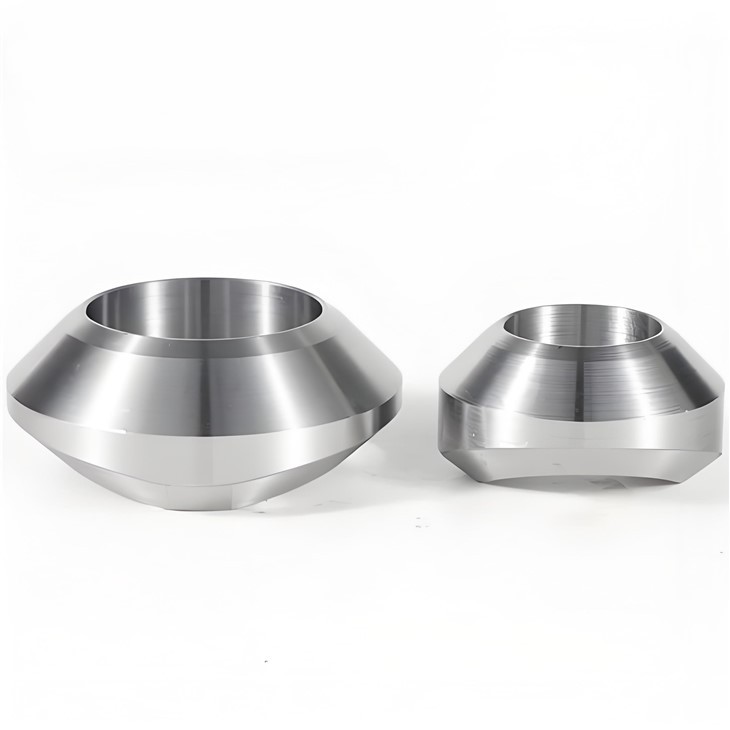
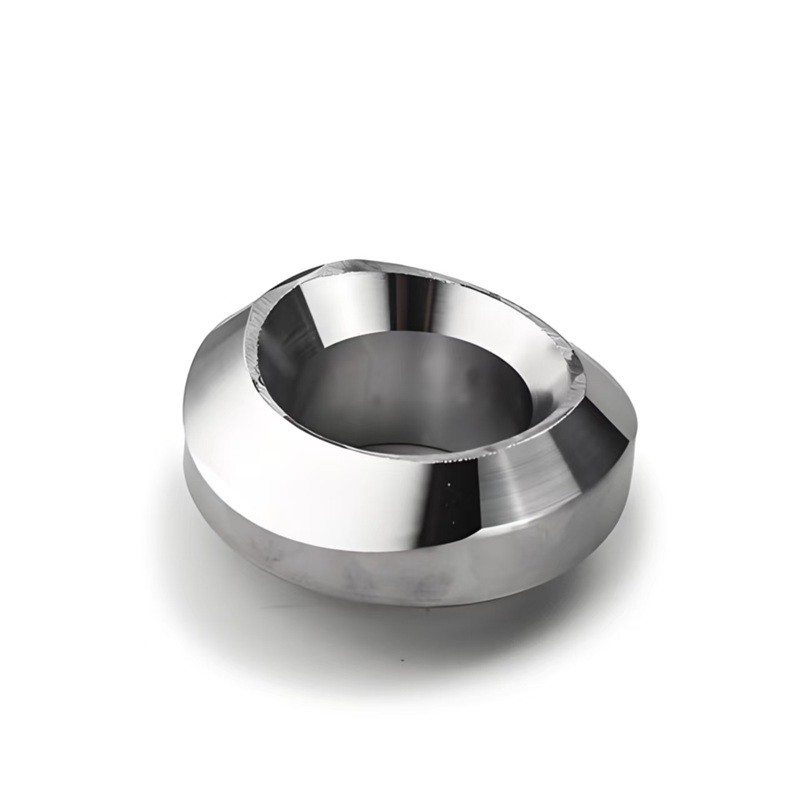
Stainless steel weldolets are another popular choice, especially in applications where corrosion resistance is required. Stainless steel contains chromium, which forms a protective oxide layer on the surface, preventing further corrosion. Similar to carbon steel, stainless steel is non - flammable at normal temperatures. It has a melting point in the range of 1375 - 1530°C (2500 - 2790°F). The chromium content in stainless steel also provides some resistance to oxidation at high temperatures, making it a suitable material for use in environments where fire safety is a concern.
Alloy steel weldolets are made by adding various alloying elements to carbon steel to enhance its mechanical properties. These alloying elements can include nickel, molybdenum, vanadium, and others. The flammability of alloy steel weldolets is similar to that of carbon steel. The specific alloying elements can affect the melting point and oxidation resistance of the alloy steel. For example, nickel - containing alloy steels generally have better oxidation resistance at high temperatures compared to plain carbon steel.
Titanium Weldolet MSS SP97 is a specialized type of weldolet made from titanium. Titanium is known for its high strength - to - weight ratio, excellent corrosion resistance, and biocompatibility. Titanium is non - flammable in air under normal conditions. However, in a pure oxygen environment or at extremely high temperatures, titanium can become combustible. The combustion of titanium is a highly exothermic reaction, which can release a large amount of heat and cause rapid deterioration of the weldolet. Therefore, when using titanium weldolets in applications where there is a risk of exposure to oxygen - rich environments or high - temperature conditions, special precautions must be taken.
The flammability of weldolets also has implications for the installation and maintenance of piping systems. During the welding process, proper safety measures must be in place to prevent the ignition of any flammable materials in the vicinity. Welders should be trained to handle different types of weldolet materials and understand the potential fire hazards associated with each. Additionally, regular inspections of weldolets are necessary to detect any signs of damage or oxidation that could compromise their fire - safety performance.
In industries such as oil and gas, chemical processing, and power generation, fire safety is a top priority. Piping systems in these industries often operate under high pressures and temperatures, and the failure of a weldolet due to fire can have catastrophic consequences. Therefore, it is essential to select the appropriate weldolet material based on the specific operating conditions and fire - safety requirements of the application.
When choosing a weldolet, it is also important to consider the relevant industry standards and codes. For example, the American Society of Mechanical Engineers (ASME) and the American Petroleum Institute (API) have established standards for the design, manufacture, and installation of piping components, including weldolets. These standards ensure that weldolets meet the necessary safety and performance requirements.
In conclusion, the flammability of a weldolet is determined by the material it is made of. Carbon steel, stainless steel, alloy steel, and titanium are all non - flammable under normal operating conditions, but each has its own behavior at high temperatures. Understanding the flammability characteristics of weldolets is crucial for ensuring the safety and reliability of piping systems.
If you are in the market for weldolets and have questions about the flammability of different materials or need help in selecting the right weldolet for your application, I encourage you to reach out. Our team of experts is ready to assist you in making an informed decision. Contact us to start a procurement discussion and find the best weldolet solutions for your needs.
References
- ASME Boiler and Pressure Vessel Code
- API Standards for Piping Components
- Material Science textbooks on metals and alloys