

What special requirements are there for kitchen outlets?
Jan 20, 2026
Hey there! As an outlet supplier, I've been in the business long enough to know that kitchen outlets come with their own set of special requirements. In this blog, I'll break down what those are and how we can meet them.
Safety First: Grounding and Protection
One of the most crucial aspects of kitchen outlets is safety. Kitchens are high - risk areas when it comes to electrical hazards because of the presence of water from sinks, spills, and the use of various electrical appliances.
All kitchen outlets should be grounded properly. Grounding provides a path for electrical current to flow safely into the ground in case of a short - circuit. This helps prevent electric shocks and reduces the risk of fires. We offer grounding solutions for all our outlets to ensure maximum safety.
Another important safety feature is the Ground Fault Circuit Interrupter (GFCI). GFCIs are designed to quickly shut off the power when they detect a ground fault, which is an abnormal flow of electricity to the ground. In a kitchen, where appliances are often used near water sources, GFCIs are a must. Our kitchen outlets can be equipped with GFCIs, giving you peace of mind while you're cooking up a storm.

Ampacity and Voltage Requirements
Kitchen appliances come in all shapes and sizes, from small toasters to large refrigerators and ovens. Each appliance has its own power requirements, which means the outlets need to be able to handle the right amount of current (ampacity) and voltage.
Most standard kitchen appliances in the United States operate on 120 volts, but larger appliances like electric ranges and dryers may require 240 volts. It's important to match the outlet's voltage rating with the appliance's requirements. We offer a variety of outlets with different voltage ratings to suit all your kitchen needs.
When it comes to ampacity, common kitchen outlets are rated for 15 or 20 amps. Smaller appliances like coffee makers and blenders can usually run on 15 - amp outlets, while larger appliances may need 20 - amp outlets. Overloading an outlet can cause overheating and potentially start a fire. That's why it's essential to choose the right ampacity for your outlets. We can help you determine the appropriate ampacity based on the appliances you'll be using in your kitchen.
Location and Placement
The location and placement of kitchen outlets are also important. Outlets should be easily accessible but also placed in a way that minimizes the risk of water damage.
Countertop outlets should be installed within 2 feet of the edge of the countertop. This ensures that you can easily plug in your appliances without having to stretch cords across the counter. It's also a good idea to have multiple outlets on each countertop to avoid overcrowding.
In addition to countertop outlets, you'll also need outlets for under - cabinet lighting, garbage disposals, and other fixtures. These outlets should be strategically placed to provide convenient access while keeping the wiring out of the way.
Durability and Resistance
Kitchens are busy places, and outlets need to be able to withstand the wear and tear of daily use. They should be made of durable materials that can resist heat, moisture, and physical damage.
Our outlets are made from high - quality materials that are designed to last. They are resistant to corrosion, which is especially important in a kitchen environment where there may be exposure to moisture and cleaning chemicals. The outlets also have a sturdy construction to prevent damage from accidental bumps and knocks.
Specialized Outlets for Kitchen Appliances
Some kitchen appliances require specialized outlets. For example, electric ranges and ovens often need a unique outlet configuration to accommodate their high - power requirements. We offer specialized outlets for these appliances, ensuring a proper and safe connection.
If you're using a microwave oven, you may want to consider a dedicated outlet. Microwaves can draw a significant amount of power, and using a shared outlet may cause issues. Our dedicated microwave outlets are designed to handle the specific power needs of these appliances.
Our Product Range
We have a wide range of kitchen outlets to meet all your requirements. Whether you're looking for a standard 15 - amp outlet or a specialized 240 - volt outlet for your electric range, we've got you covered.
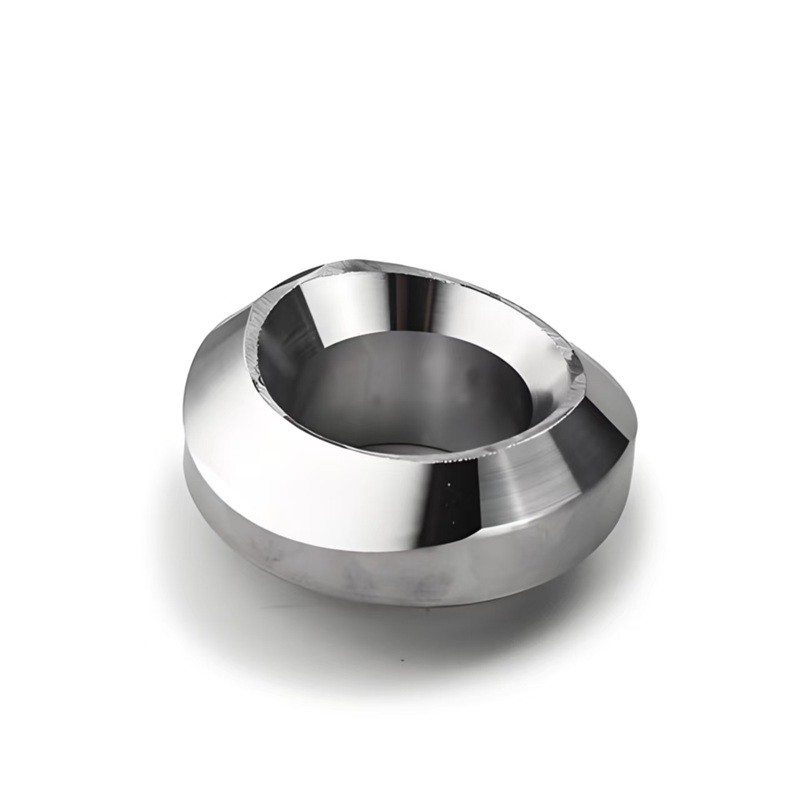
We also offer a variety of outlet fittings, such as the Titanium Weldolet MSS SP97 and Elbolet Fitting MSS SP97. These fittings are designed to provide a secure and reliable connection for your outlets. And if you're specifically interested in titanium - based products, we have the Titanium Weldolet, which offers excellent durability and corrosion resistance.
Contact Us for Procurement
If you're in the market for kitchen outlets, we'd love to help you find the right products for your needs. Our team of experts can provide you with detailed information about our products, answer any questions you may have, and assist you in making the best choice for your kitchen.
Whether you're a homeowner looking to upgrade your kitchen or a contractor working on a new construction project, we're here to support you. Contact us today to start the procurement process and let us help you create a safe and functional kitchen.
References
- National Electrical Code (NEC)
- Underwriters Laboratories (UL) standards for electrical outlets
- Appliance manufacturers' specifications for power requirements