

What is the impact of stub ends on pipeline safety?
Sep 18, 2025
As a supplier of stub ends, I've witnessed firsthand the crucial role these components play in pipeline systems. Stub ends are essential in various industries, from oil and gas to chemical processing, and their impact on pipeline safety cannot be overstated. In this blog, I'll delve into the significance of stub ends and how they contribute to the overall safety of pipelines.
Understanding Stub Ends
Before we discuss their impact on safety, let's first understand what stub ends are. A stub end is a short piece of pipe with one end welded to the pipeline and the other end flanged. It is typically used in conjunction with a lap joint flange, which allows for easy assembly and disassembly of the pipeline. Stub ends are available in various materials, including carbon steel, stainless steel, and Titanium Gr7 Stub End, each offering unique properties suitable for different applications.
Enhancing Pipeline Integrity
One of the primary ways stub ends contribute to pipeline safety is by enhancing the integrity of the pipeline system. When properly installed, stub ends provide a strong and reliable connection between the pipeline and the flange. This connection helps to prevent leaks and failures, which can have serious consequences, including environmental damage, safety hazards, and financial losses.
The welding process used to attach the stub end to the pipeline is critical to ensuring its integrity. A high-quality weld provides a strong bond that can withstand the pressure and stress of the pipeline system. Additionally, the use of proper welding techniques and materials helps to prevent corrosion and other forms of damage that can compromise the integrity of the pipeline over time.
Facilitating Maintenance and Inspection
Another important aspect of pipeline safety is the ability to perform regular maintenance and inspection. Stub ends make it easier to access and inspect the pipeline, which is essential for detecting and addressing potential issues before they become major problems. The lap joint flange design allows for easy removal of the flange, providing access to the interior of the pipeline for cleaning, inspection, and repairs.
In addition to facilitating maintenance and inspection, stub ends also allow for easy replacement of damaged or worn components. This can help to minimize downtime and reduce the risk of pipeline failures. By using high-quality stub ends and following proper maintenance procedures, pipeline operators can ensure the long-term safety and reliability of their systems.
Compatibility with Different Pipeline Systems
Stub ends are designed to be compatible with a wide range of pipeline systems, including those with different diameters, pressures, and temperatures. This versatility makes them a popular choice for many industries, as they can be used in a variety of applications.
When selecting stub ends for a pipeline system, it is important to consider the specific requirements of the application. Factors such as the type of fluid being transported, the operating pressure and temperature, and the environmental conditions should all be taken into account. By choosing the right stub ends for the job, pipeline operators can ensure the safe and efficient operation of their systems.
Impact on Pipeline Safety in Specific Industries
The impact of stub ends on pipeline safety can vary depending on the industry in which they are used. Let's take a closer look at how stub ends contribute to pipeline safety in some specific industries.
Oil and Gas Industry
In the oil and gas industry, pipelines are used to transport crude oil, natural gas, and other petroleum products over long distances. The safety of these pipelines is of utmost importance, as any leaks or failures can have serious environmental and economic consequences.
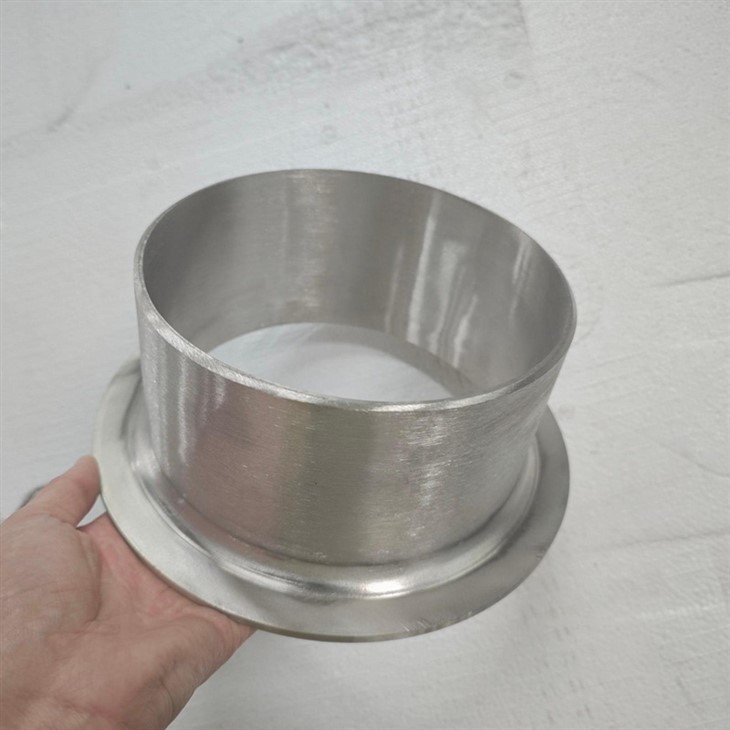
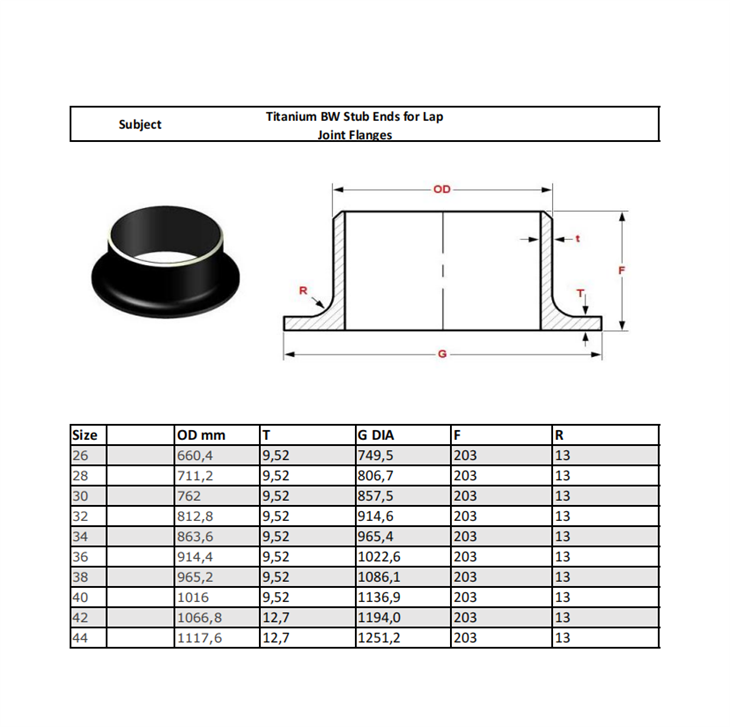
Stub ends play a crucial role in ensuring the safety of oil and gas pipelines. They provide a reliable connection between the pipeline and the flange, which helps to prevent leaks and failures. Additionally, the use of high-quality materials and proper welding techniques helps to ensure the integrity of the pipeline, even under high pressure and harsh environmental conditions.
Chemical Processing Industry
The chemical processing industry uses pipelines to transport a wide range of chemicals, including acids, bases, and solvents. These chemicals can be highly corrosive and toxic, making pipeline safety a top priority.
Stub ends are essential in the chemical processing industry, as they provide a reliable connection that can withstand the corrosive effects of the chemicals being transported. The use of corrosion-resistant materials, such as stainless steel and Titanium Gr7 Stub End, helps to prevent corrosion and other forms of damage that can compromise the integrity of the pipeline. Additionally, the lap joint flange design allows for easy inspection and maintenance, which is essential for detecting and addressing potential issues before they become major problems.
Water and Wastewater Industry
In the water and wastewater industry, pipelines are used to transport drinking water, sewage, and other wastewater. The safety of these pipelines is critical to protecting public health and the environment.
Stub ends are used in the water and wastewater industry to provide a reliable connection between the pipeline and the flange. The use of high-quality materials and proper welding techniques helps to ensure the integrity of the pipeline, even under high pressure and harsh environmental conditions. Additionally, the lap joint flange design allows for easy inspection and maintenance, which is essential for detecting and addressing potential issues before they become major problems.
Conclusion
In conclusion, stub ends play a crucial role in ensuring the safety and reliability of pipeline systems. They enhance pipeline integrity, facilitate maintenance and inspection, and are compatible with a wide range of pipeline systems. By choosing high-quality stub ends and following proper installation and maintenance procedures, pipeline operators can minimize the risk of leaks and failures, protect the environment, and ensure the long-term safety and reliability of their systems.
If you're in the market for high-quality stub ends, I encourage you to contact us to discuss your specific requirements. Our team of experts can help you select the right stub ends for your application and provide you with the support and guidance you need to ensure the safe and efficient operation of your pipeline system.
References
- ASME B16.9 - Factory-Made Wrought Steel Buttwelding Fittings
- API 6A - Specification for Wellhead and Christmas Tree Equipment
- ASTM A105 - Standard Specification for Carbon Steel Forgings for Piping Applications
- ASTM A350 - Standard Specification for Carbon and Low-Alloy Steel Forgings, Requiring Notch Toughness Testing for Piping Components