

How do stub ends perform in dusty environments?
Sep 04, 2025
In industrial applications, the performance of piping components in various environments is of utmost importance. As a reputable stub end supplier, I've witnessed firsthand the significance of how these components fare in challenging conditions, especially in dusty environments. This blog post delves into the performance of stub ends in such settings, exploring the factors that influence their functionality and durability.
Understanding Stub Ends
Before we discuss their performance in dusty environments, let's briefly understand what stub ends are. Stub ends are pipe fittings that are used in conjunction with lap joint flanges. They are essentially a short length of pipe with a flared end, which allows for easy alignment and connection with the flange. This design offers several advantages, including ease of installation, reduced cost compared to traditional flanges, and the ability to rotate the flange for alignment purposes.
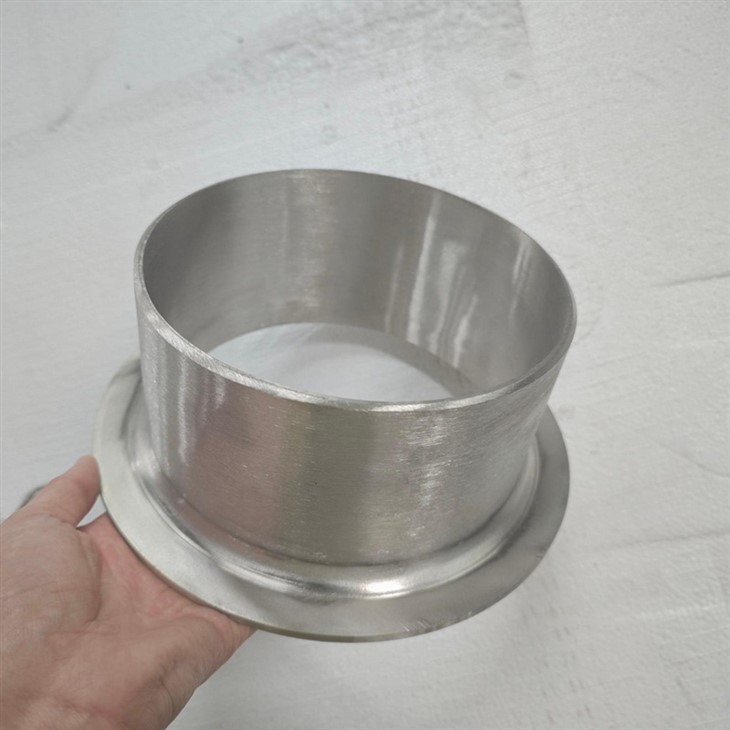
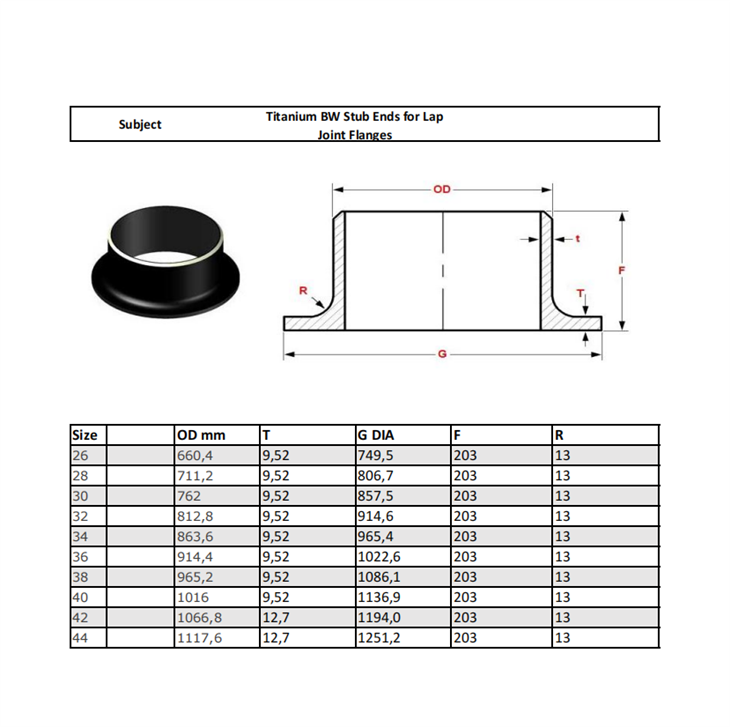
Stub ends come in various materials, including carbon steel, stainless steel, and Titanium Gr7 Stub End, each with its own set of properties and characteristics. The choice of material depends on several factors, such as the operating temperature, pressure, and the nature of the fluid being transported.
Challenges Posed by Dusty Environments
Dusty environments present unique challenges to the performance of stub ends. Dust particles can accumulate on the surface of the stub end, leading to several issues:
Abrasion
Dust particles can act as abrasives, causing wear and tear on the surface of the stub end. Over time, this can lead to a reduction in the wall thickness of the stub end, compromising its structural integrity. Abrasion can also affect the sealing performance of the joint, leading to potential leaks.
Corrosion
In some cases, dust may contain corrosive substances, such as salts or acids. When these substances come into contact with the stub end, they can initiate corrosion processes. Corrosion can weaken the material, leading to pitting, cracking, and ultimately, failure of the stub end.
Clogging
Dust can accumulate in the crevices and joints of the stub end, leading to clogging. This can restrict the flow of fluid through the pipeline, increasing pressure drop and reducing the efficiency of the system. Clogging can also cause uneven stress distribution on the stub end, leading to premature failure.
Factors Affecting Stub End Performance in Dusty Environments
Several factors influence how stub ends perform in dusty environments:
Material Selection
The choice of material is crucial in determining the performance of stub ends in dusty environments. Some materials, such as stainless steel and titanium, are more resistant to abrasion and corrosion than others. For example, Titanium Gr7 Stub End offers excellent corrosion resistance, making it suitable for use in environments where dust may contain corrosive substances.
Surface Finish
The surface finish of the stub end can also affect its performance in dusty environments. A smooth surface finish reduces the adhesion of dust particles, making it easier to clean and maintain the stub end. Additionally, a smooth surface is less prone to abrasion and corrosion.
Sealing Design
The sealing design of the stub end joint is critical in preventing dust ingress. A proper sealing system, such as a gasket or O-ring, can effectively prevent dust from entering the joint, reducing the risk of abrasion, corrosion, and clogging.
Strategies to Improve Stub End Performance in Dusty Environments
To enhance the performance of stub ends in dusty environments, several strategies can be employed:
Regular Maintenance
Regular inspection and cleaning of stub ends are essential to remove accumulated dust and prevent corrosion and abrasion. Maintenance activities may include visual inspection, ultrasonic testing, and pressure testing to detect any signs of damage or wear.
Protective Coatings
Applying protective coatings to the surface of the stub end can provide an additional layer of protection against abrasion and corrosion. Coatings such as epoxy, polyurethane, or ceramic can be used depending on the specific requirements of the application.
Dust Control Measures
Implementing dust control measures at the source can significantly reduce the amount of dust in the environment. This may include installing dust collectors, ventilation systems, or using wet suppression techniques.
Case Studies
Let's take a look at some real-world examples of how stub ends have performed in dusty environments:
Mining Industry
In the mining industry, where dust is a common byproduct of extraction and processing operations, stub ends are used extensively in piping systems. One mining company reported that by using Large OD Lapped Joint Stub End made of stainless steel and implementing regular maintenance and dust control measures, they were able to extend the service life of their stub ends by up to 50%.
Cement Industry
The cement industry is another sector where dusty environments are prevalent. A cement plant replaced their existing stub ends with titanium stub ends and applied a protective ceramic coating. As a result, they experienced a significant reduction in corrosion and abrasion, leading to improved system reliability and reduced maintenance costs.
Conclusion
In conclusion, the performance of stub ends in dusty environments is influenced by several factors, including material selection, surface finish, sealing design, and maintenance practices. By understanding these factors and implementing appropriate strategies, such as regular maintenance, protective coatings, and dust control measures, the durability and functionality of stub ends can be significantly enhanced.
As a stub end supplier, I am committed to providing high-quality products that are designed to perform in challenging environments. If you are looking for reliable stub ends for your application, especially in dusty environments, I encourage you to contact me for more information and to discuss your specific requirements. Our team of experts can help you select the right material, design, and protective measures to ensure the optimal performance of your piping system.
References
- ASME B16.5 - Pipe Flanges and Flanged Fittings
- ASTM A105 - Standard Specification for Carbon Steel Forgings for Piping Applications
- NACE International - Corrosion Prevention and Control in Industrial Environments