

What are the applications of weldolets?
Dec 26, 2025
Weldolets are essential components in the field of piping systems, offering a reliable and efficient way to create branch connections. As a weldolet supplier, I have witnessed firsthand the diverse applications of these fittings across various industries. In this blog post, I will explore the different uses of weldolets and highlight their importance in ensuring the integrity and functionality of piping networks.
Oil and Gas Industry
The oil and gas industry is one of the primary sectors where weldolets find extensive application. In upstream operations, such as oil and gas exploration and production, weldolets are used in wellhead piping systems. These systems require robust and leak - free connections to handle high - pressure fluids and gases. Weldolets provide a seamless connection between the main pipeline and the branch lines, which are often used for injecting chemicals, monitoring well conditions, or diverting flow.
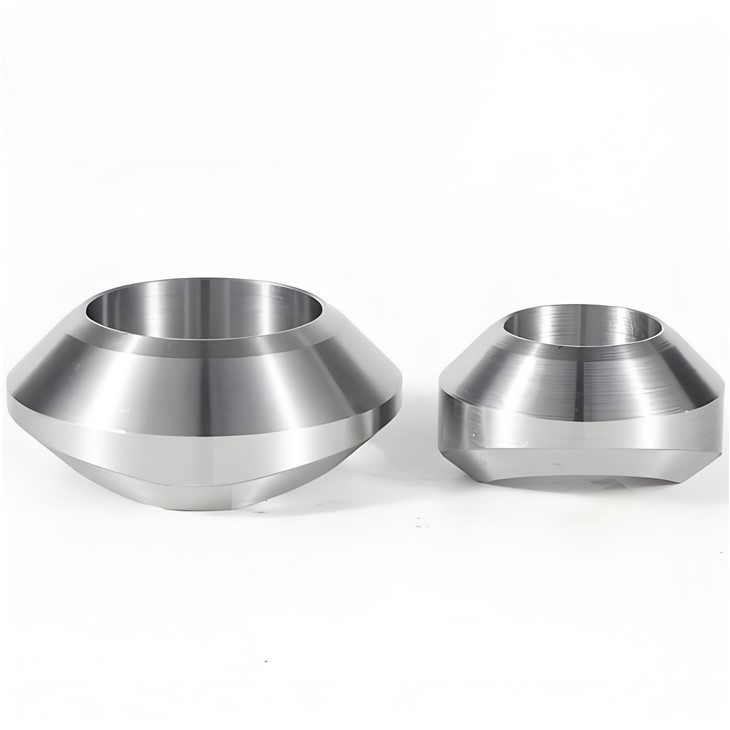
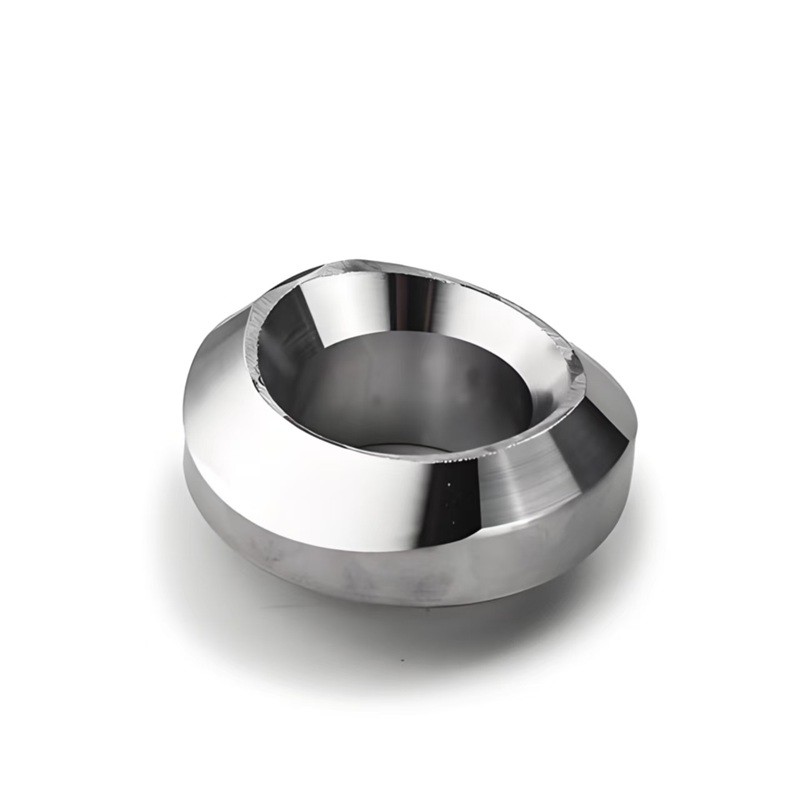
For example, in offshore oil rigs, the harsh marine environment and high - pressure conditions demand fittings that can withstand corrosion and mechanical stress. Weldolets made from corrosion - resistant materials like stainless steel or Titanium Weldolet are ideal for these applications. They are welded directly to the main pipe, creating a strong and permanent connection that can endure the rigors of offshore operations.
In downstream operations, such as refineries and petrochemical plants, weldolets are used in complex piping networks. These facilities process crude oil into various products, and the piping systems need to transfer different types of fluids at different temperatures and pressures. Weldolets are used to create branch connections for sampling, adding additives, or diverting flow to different processing units. The Titanium Weldolet MSS SP97 is a popular choice in these applications as it meets the strict industry standards for quality and performance.
Power Generation
Power generation plants, whether they are fossil - fuel - based, nuclear, or renewable energy plants, rely on weldolets for their piping systems. In fossil - fuel power plants, weldolets are used in the steam and water piping systems. Steam is a critical medium for power generation, and the piping systems need to maintain high - pressure and high - temperature conditions. Weldolets are used to create branch connections for steam extraction, feedwater injection, and instrumentation.
In nuclear power plants, the safety and reliability of piping systems are of utmost importance. Weldolets are used in the primary and secondary coolant systems, as well as in the auxiliary piping systems. They are made from high - quality materials that can withstand radiation, corrosion, and high - pressure conditions. The precise welding of weldolets ensures that there are no leaks, which is crucial for preventing the release of radioactive materials.
Renewable energy plants, such as geothermal and solar thermal power plants, also use weldolets. In geothermal power plants, weldolets are used in the piping systems that transfer hot water and steam from the geothermal wells to the power generation equipment. In solar thermal power plants, they are used in the heat transfer fluid piping systems, which are responsible for collecting and transferring solar energy.
Chemical and Pharmaceutical Industries
The chemical and pharmaceutical industries require piping systems that can handle a wide range of chemicals, including corrosive, toxic, and high - purity substances. Weldolets are used in these industries to create branch connections in the process piping systems.
In chemical plants, the piping systems are designed to transport different chemicals at various stages of the manufacturing process. Weldolets are used to add or remove chemicals at specific points in the pipeline, as well as for sampling and monitoring. The choice of material for weldolets in chemical plants depends on the nature of the chemicals being transported. For example, for highly corrosive chemicals, materials like Hastelloy or titanium may be used.
In the pharmaceutical industry, the piping systems need to maintain a high level of cleanliness and purity. Weldolets are used in the process piping systems for the production of drugs and medical products. They are made from materials that are compatible with the pharmaceutical products, such as stainless steel or high - purity plastics. The smooth surface finish of weldolets helps to prevent the accumulation of contaminants, which is essential for ensuring the quality of the pharmaceutical products.
Water and Wastewater Treatment
Water and wastewater treatment plants use weldolets in their piping systems for various purposes. In water treatment plants, weldolets are used in the intake, treatment, and distribution piping systems. They are used to add chemicals for water purification, such as chlorine or flocculants, and to create branch connections for sampling and monitoring the water quality.
In wastewater treatment plants, weldolets are used in the collection, treatment, and disposal piping systems. The piping systems in these plants need to handle a variety of wastewater, including domestic, industrial, and agricultural wastewater. Weldolets are used to add chemicals for wastewater treatment, such as coagulants and disinfectants, and to divert the treated water for reuse or discharge.
Food and Beverage Industry
The food and beverage industry has strict hygiene and safety requirements for its piping systems. Weldolets are used in these industries to create branch connections in the process piping systems.
In food processing plants, weldolets are used in the piping systems for transporting raw materials, such as milk, fruit juices, and grains, as well as for the distribution of finished products. They are made from materials that are food - grade and can be easily cleaned and sanitized. The smooth interior surface of weldolets helps to prevent the growth of bacteria and other microorganisms, which is crucial for ensuring the safety and quality of food products.
In beverage plants, weldolets are used in the piping systems for brewing, bottling, and packaging. They are used to add ingredients, such as sugar, flavorings, and carbon dioxide, and to create branch connections for filling and capping machines.
Advantages of Using Weldolets
One of the main advantages of using weldolets is their strength and reliability. The welded connection between the weldolet and the main pipe creates a strong and permanent joint that can withstand high - pressure and high - temperature conditions. This reduces the risk of leaks and failures in the piping system, which is crucial for the safety and efficiency of industrial operations.
Another advantage is the ease of installation. Weldolets can be easily welded to the main pipe using standard welding techniques. This reduces the installation time and cost compared to other types of branch connections, such as threaded or flanged connections.
Weldolets also offer a smooth flow path. The design of weldolets minimizes the turbulence and pressure drop in the piping system, which helps to improve the efficiency of fluid flow. This is especially important in applications where the fluid flow needs to be optimized, such as in power generation and chemical processing.
Conclusion
As a weldolet supplier, I understand the critical role that weldolets play in various industries. Their diverse applications in the oil and gas, power generation, chemical, pharmaceutical, water treatment, and food and beverage industries highlight their importance in ensuring the integrity and functionality of piping systems.
If you are in need of high - quality weldolets for your piping projects, I encourage you to contact us for procurement and further discussion. We offer a wide range of weldolets made from different materials and in various sizes to meet your specific requirements. Our team of experts can provide you with technical support and guidance to ensure that you choose the right weldolets for your application.
References
- ASME B31.3 Process Piping Code
- MSS SP97 Standard Practice for Factory - Made Wrought Stub - Ends for Pipe Flanges, Socket - Welded, and Buttwelded Fittings
- API Standards for Piping in the Oil and Gas Industry