

How to choose the right stub end for my project?
Dec 26, 2025
Hey there! If you're working on a project that requires a stub end, you're in the right place. As a stub end supplier, I've seen firsthand how crucial it is to pick the right one for your specific needs. In this blog, I'll walk you through all the factors you should consider when making this important decision.
Understanding Stub Ends
First things first, let's quickly go over what a stub end is. A stub end is a type of pipe fitting that's used in conjunction with a lap joint flange. It's basically a short piece of pipe with one end that has a beveled edge, which allows it to fit snugly into the flange. This setup provides a joint that can be easily disassembled for maintenance or inspection.
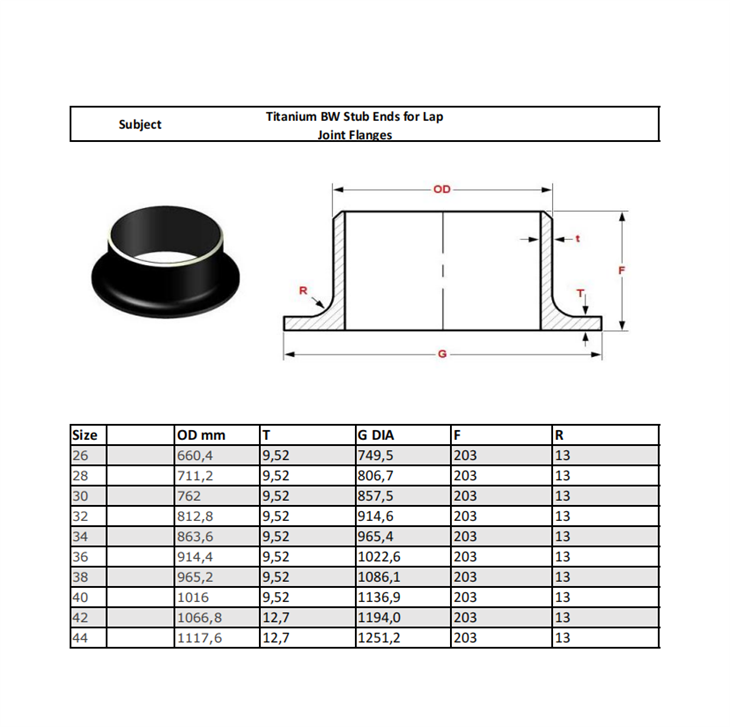
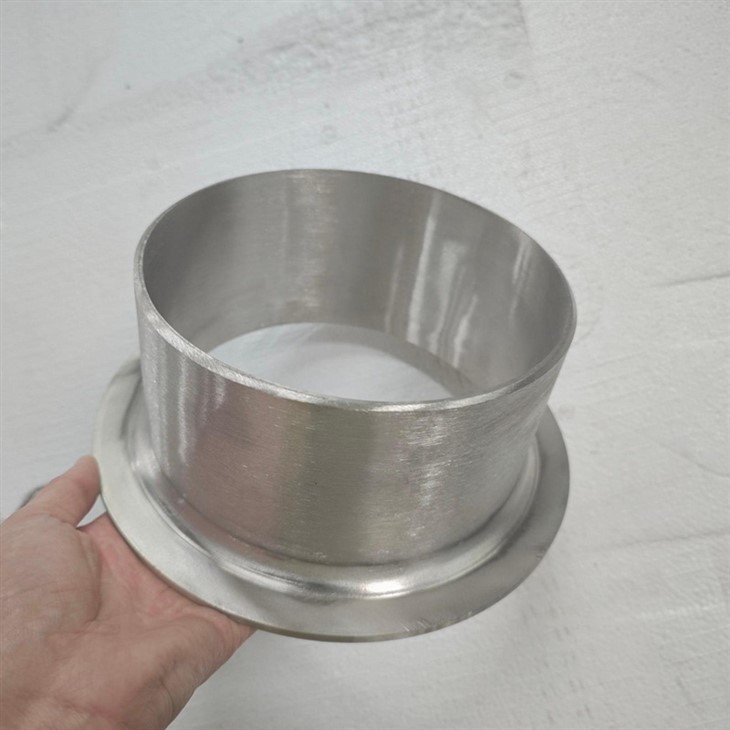
Stub ends come in a variety of materials, sizes, and designs, each suited for different applications. So, how do you know which one is the best fit for your project? Let's break it down.
Material Matters
The material of the stub end is one of the most critical factors to consider. Different materials offer different levels of strength, corrosion resistance, and temperature tolerance. Here are some common materials you might encounter:
- Carbon Steel: This is the most widely used material for stub ends. It's strong, durable, and relatively inexpensive. Carbon steel stub ends are suitable for a wide range of applications, including general plumbing, oil and gas pipelines, and industrial processes.
- Stainless Steel: Stainless steel is known for its excellent corrosion resistance. It's a great choice for projects that involve exposure to harsh chemicals, saltwater, or high humidity. Stainless steel stub ends are commonly used in the food and beverage industry, chemical processing plants, and marine applications.
- Alloy Steel: Alloy steel combines the strength of carbon steel with the corrosion resistance of other metals. It's often used in high-pressure and high-temperature applications, such as power generation plants and refineries.
- Titanium Gr7 Stub End: Titanium is a lightweight and extremely strong metal. Titanium Gr7, in particular, has excellent corrosion resistance, especially in environments containing chlorides. It's commonly used in the aerospace, medical, and chemical industries.
When choosing the material for your stub end, consider the operating conditions of your project, including the temperature, pressure, and the type of fluid or gas that will be flowing through the pipe. You should also take into account any regulatory requirements or industry standards that apply to your project.
Size and Dimensions
The size and dimensions of the stub end are also important considerations. You need to make sure that the stub end you choose is the right size to fit your pipe and flange. Here are some key dimensions to pay attention to:
- Nominal Pipe Size (NPS): This is the standard size designation for pipes in the United States. It refers to the approximate inside diameter of the pipe. Make sure the NPS of the stub end matches the NPS of your pipe.
- Outside Diameter (OD): The OD of the stub end should match the OD of the pipe. This ensures a proper fit between the stub end and the flange.
- Wall Thickness: The wall thickness of the stub end affects its strength and durability. You need to choose a wall thickness that can withstand the operating pressure of your project.
In addition to these standard dimensions, you may also need to consider other factors, such as the length of the stub end and the type of bevel on the end. These details can vary depending on the specific requirements of your project.
End Connection Type
The end connection type of the stub end determines how it will be connected to the pipe and the flange. There are several common end connection types to choose from:
- Welded End: A welded end stub end is permanently joined to the pipe using welding. This provides a strong and leak-proof connection. Welded end stub ends are commonly used in high-pressure and high-temperature applications.
- Threaded End: A threaded end stub end has threads on the outside of the pipe that allow it to be screwed into a threaded flange. Threaded end stub ends are easy to install and remove, but they may not be suitable for high-pressure applications.
- Socket Weld End: A socket weld end stub end is inserted into a socket in the flange and then welded in place. This provides a smooth and flush connection. Socket weld end stub ends are commonly used in small-diameter pipes and low-pressure applications.
When choosing the end connection type, consider the ease of installation, the operating conditions of your project, and the type of flange you will be using.
Pressure Rating
The pressure rating of the stub end indicates the maximum pressure that it can safely withstand. It's important to choose a stub end with a pressure rating that is appropriate for the operating pressure of your project. The pressure rating of a stub end is determined by several factors, including the material, size, and wall thickness.
When selecting the pressure rating for your stub end, make sure to consider any potential pressure surges or fluctuations that may occur in your system. It's always a good idea to choose a stub end with a slightly higher pressure rating than the maximum operating pressure of your project to provide a safety margin.
Special Requirements
In addition to the factors mentioned above, you may have some special requirements for your stub end. For example, you may need a stub end with a specific coating or lining to protect against corrosion or abrasion. You may also need a stub end with a custom design or configuration to fit your unique project requirements.
If you have any special requirements, make sure to communicate them clearly to your stub end supplier. They can help you find the right solution for your project and ensure that the stub end meets all of your specifications.
Where to Find the Right Stub End
As a stub end supplier, I can offer you a wide range of options to choose from. We have stub ends in various materials, sizes, and designs to meet the needs of different projects. Whether you're working on a small plumbing job or a large industrial project, we can help you find the right stub end for your application.
If you're interested in our Large OD Lapped Joint Stub End, we can provide you with detailed information and pricing. Our team of experts is always available to answer your questions and provide you with technical support.
Conclusion
Choosing the right stub end for your project is a crucial decision that can have a significant impact on the performance and reliability of your system. By considering the factors discussed in this blog, such as the material, size, end connection type, pressure rating, and special requirements, you can make an informed choice that meets the needs of your project.
If you have any questions or need further assistance in selecting the right stub end, don't hesitate to reach out. We're here to help you find the perfect solution for your project. Let's start the conversation and get your project on the right track!
References
- ASME B16.9 - Factory-Made Wrought Steel Buttwelding Fittings
- ASTM A105 - Standard Specification for Carbon Steel Forgings for Piping Applications
- ASTM A312 - Standard Specification for Seamless, Welded, and Heavily Cold Worked Austenitic Stainless Steel Pipes