

Can nickel flanges be used in nuclear power applications?
Nov 27, 2025
Can Nickel Flanges Be Used in Nuclear Power Applications?
As a supplier of nickel flanges, I often encounter inquiries from clients in various industries, including the nuclear power sector. The question of whether nickel flanges can be used in nuclear power applications is a crucial one, and it requires a comprehensive understanding of the properties of nickel flanges and the specific requirements of nuclear power systems.
Properties of Nickel Flanges
Nickel is a versatile metal known for its excellent corrosion resistance, high-temperature strength, and good ductility. These properties make nickel and its alloys highly suitable for a wide range of applications, especially in harsh environments where other materials may fail.
-
Corrosion Resistance
Nickel has a natural ability to form a passive oxide layer on its surface, which protects it from corrosion. This property is particularly important in nuclear power applications, where the flanges may be exposed to corrosive media such as high - purity water, steam, and various chemical agents. For example, in a pressurized water reactor (PWR), the primary coolant is highly purified water that can still cause corrosion over time. Nickel flanges can withstand such environments and maintain their integrity for long periods. -
High - Temperature Strength
Nuclear power plants operate at high temperatures and pressures. Nickel alloys can retain their strength and mechanical properties at elevated temperatures, ensuring that the flanges can withstand the thermal stresses and pressures associated with nuclear power generation. For instance, in a boiling water reactor (BWR), the steam temperature can reach up to 285°C (545°F). Nickel flanges can maintain their structural integrity under these conditions, preventing leaks and ensuring the safe operation of the system. -
Ductility
Ductility is the ability of a material to deform under stress without breaking. Nickel flanges have good ductility, which allows them to absorb shock and vibration during the operation of nuclear power plants. This property is essential for preventing sudden failures and ensuring the long - term reliability of the piping systems.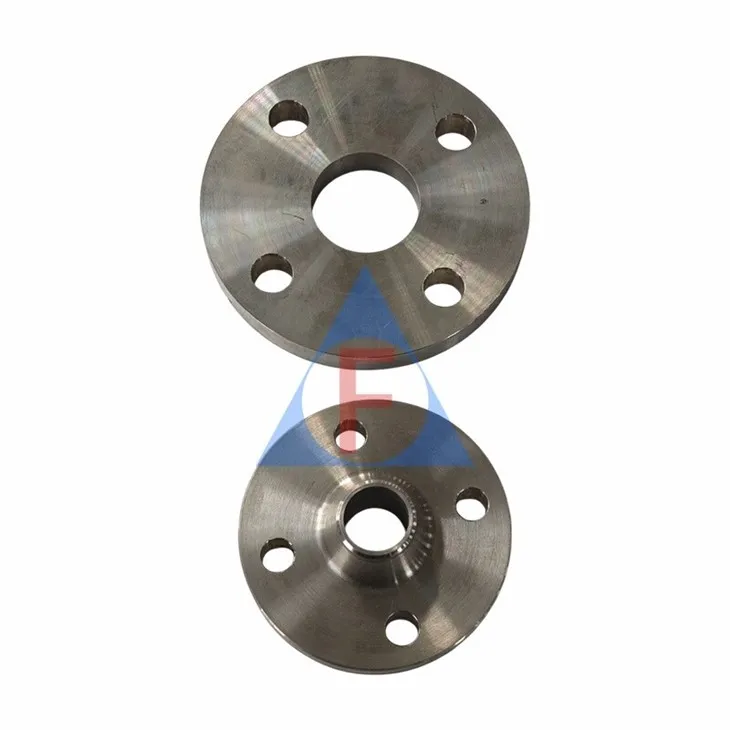

Types of Nickel Flanges for Nuclear Power Applications
There are several types of nickel flanges that can be used in nuclear power applications, each with its own advantages and suitable scenarios.
-
Nickel Threaded Flange
Nickel Threaded Flange is a type of flange that can be easily installed and removed without welding. This makes it convenient for maintenance and repair work in nuclear power plants. The threaded connection provides a reliable seal, and the nickel material ensures corrosion resistance. However, it may not be suitable for high - pressure applications where welding is required for a more secure connection. -
Nickel Weld Neck Flange
Nickel Weld Neck Flange is widely used in nuclear power applications due to its high strength and excellent sealing performance. The long neck of the flange provides additional reinforcement and helps to reduce stress concentration at the weld joint. Welding the flange to the pipe ensures a permanent and leak - tight connection, making it suitable for high - pressure and high - temperature applications. -
Nickel Blind Flange
Nickel Blind Flange is used to close the end of a pipe or a valve. In nuclear power plants, it may be used to isolate sections of the piping system during maintenance or to prevent the flow of fluids in certain areas. The nickel material provides corrosion resistance, and the blind flange can be designed to withstand high pressures.
Regulatory and Safety Considerations
When using nickel flanges in nuclear power applications, strict regulatory and safety standards must be met. Nuclear power is a highly regulated industry, and all components, including flanges, must comply with international and national standards.
-
Quality Assurance
Manufacturers of nickel flanges for nuclear power applications must have a comprehensive quality assurance system in place. This includes strict control of raw materials, manufacturing processes, and testing procedures. For example, the flanges must be made from high - quality nickel alloys that meet the specified chemical composition and mechanical properties. Non - destructive testing methods such as ultrasonic testing, radiographic testing, and magnetic particle testing are often used to detect any internal defects in the flanges. -
Safety Certification
Nickel flanges used in nuclear power plants must be certified by relevant regulatory authorities. These certifications ensure that the flanges meet the safety requirements for nuclear power applications. For example, in the United States, the Nuclear Regulatory Commission (NRC) regulates the use of components in nuclear power plants, and flanges must comply with the NRC's regulations.
Case Studies
There have been many successful applications of nickel flanges in nuclear power plants around the world. For example, in a large - scale PWR nuclear power plant in Europe, nickel weld neck flanges were used in the primary coolant piping system. These flanges have been in service for over 20 years without any major failures, demonstrating their reliability and durability in nuclear power applications.
Conclusion
In conclusion, nickel flanges can be effectively used in nuclear power applications. Their excellent corrosion resistance, high - temperature strength, and good ductility make them suitable for the harsh operating conditions of nuclear power plants. Different types of nickel flanges, such as threaded flanges, weld neck flanges, and blind flanges, can be selected according to specific application requirements. However, strict regulatory and safety standards must be adhered to ensure the safe and reliable operation of nuclear power plants.
If you are in the nuclear power industry and are looking for high - quality nickel flanges, we are here to provide you with the best solutions. Our nickel flanges are manufactured to the highest standards and can be customized to meet your specific needs. Please feel free to contact us for more information and to start a procurement negotiation.
References
- ASME Boiler and Pressure Vessel Code, Section III - Rules for Construction of Nuclear Facility Components.
- International Atomic Energy Agency (IAEA) publications on nuclear power plant safety and component requirements.
- Technical literature on nickel alloys and their applications in high - temperature and corrosive environments.